
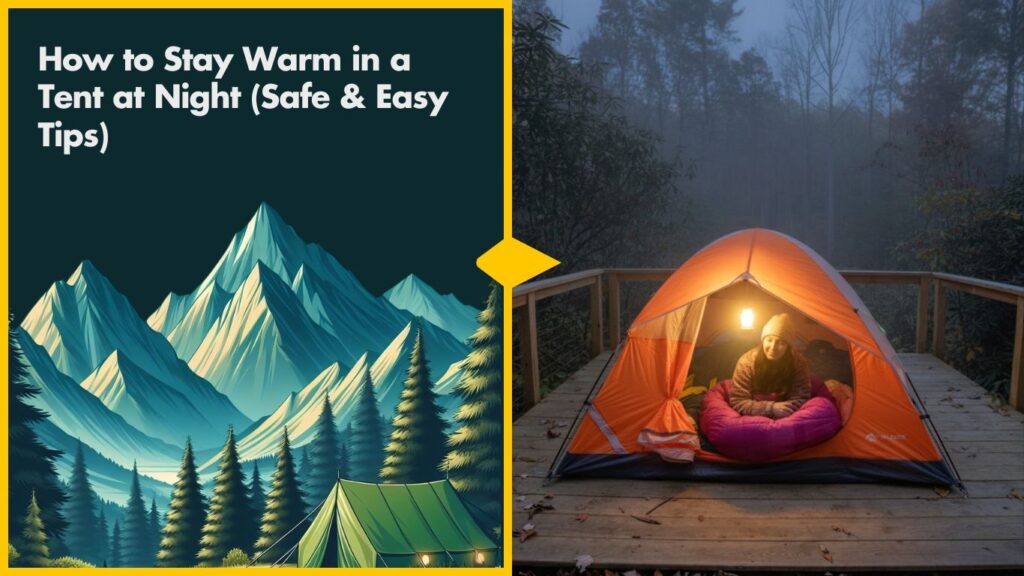
Cold nights in a tent can ruin a camping trip faster than rain or bugs. I learned this the hard way during a fall trip in Colorado when temperatures suddenly dropped into the low 30s. I had a decent sleeping bag, but my setup was terrible. No insulation under me. Wind hitting the tent walls all night. By 2 a.m., I was wide awake, shivering and seriously questioning why I even came.
That night taught me something important:
If you want to stay warm in a tent, smart preparation matters more than expensive gear.
Since then, I’ve camped in Utah deserts, windy Appalachian ridges, and cold lakeside campsites. What I’m sharing below are the exact methods I personally use to stay warm in a tent at night—safely and comfortably.
This article contains affiliate links. If you purchase through these links, I may earn a small commission at no extra cost to you, helping support my work. My recommendations are based on personal experience and thorough testing. Read my full disclosure for details.
Why Tents Get Cold at Night
Learning how to stay warm in a tent starts with understanding where heat is lost and how to block it effectively. Your tent feels colder than the outside air because it doesn’t hold heat well. Most people think the cold comes from the air, but the ground is actually the biggest problem. After sunset, the ground temperature drops quickly. When you lie down, your body loses warmth through direct contact with the cold earth. This process is called conduction, and it’s the biggest reason people freeze at night. Even the best sleeping bag can’t stop it if there’s no insulation underneath you.
Wind makes things worse. Even small gaps in your tent allow cold air to slip inside and steal your body heat. I’ve camped in conditions where the thermometer said 35°F, but the wind made it feel closer to 20°F. According to the National Weather Service wind chill chart, even light wind can make temperatures feel much colder.
On top of that, moisture from your breath builds up as condensation inside the tent, soaking fabric and reducing insulation. Damp socks or sleeves feel icy against your skin and speed up heat loss. When cold ground, wind, and moisture combine, your tent ends up feeling colder than the outside air.
Choose a Campsite That Helps You Stay Warm
Where you set up camp matters more than most people realize. I always avoid low valleys because cold air sinks and pools there overnight. I once camped near a creek because it looked scenic, but the cold air settled in like a freezer. The next night, I moved uphill and slept noticeably better. The National Park Service also recommends avoiding low areas where cold air settles overnight.
Natural wind barriers make a huge difference. Trees, rock walls, and hills block cold gusts. On a Utah trip, I tucked my tent behind a large boulder and felt an immediate change inside. The wind died down, and the temperature felt more stable.
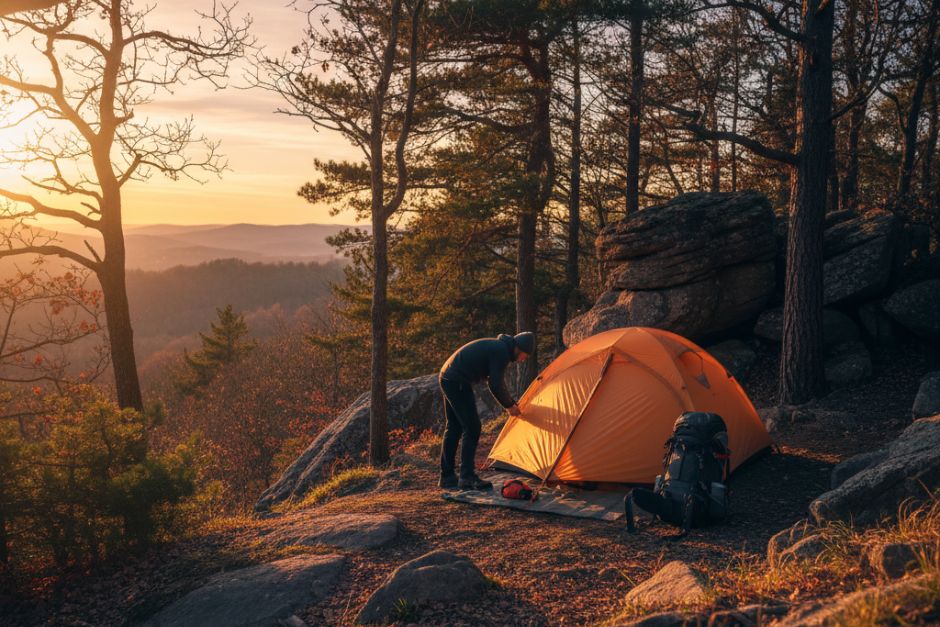
Ground conditions matter too. Wet soil drains heat fast, so I look for dry, leaf-covered ground whenever possible. If everything is damp, I’ll use a groundsheet and extra insulation. I also position my tent door away from the wind so cold air doesn’t rush in every time I unzip it.
Insulate the Tent Floor (Most Important Step)
If there’s one thing you should never skip, it’s floor insulation. This alone can be the difference between sleeping comfortably and shivering all night.
I always start with a closed-cell foam pad. If you want a reliable option, I personally use the Therm-a-Rest Z Lite Sol foam pad, and it’s one of the most reliable pieces of gear I own for cold-weather camping. What I love about this pad is that it doesn’t rely on air, so it never loses insulation when compressed. The closed-cell foam design traps heat effectively and creates a solid barrier between my body and the freezing ground.
It’s also nearly indestructible — I’ve used it on rocky campsites, forest floors, and even snowy ground without worrying about punctures. Another big plus is how lightweight and compact it is. It folds accordion-style, making it easy to strap onto my pack. For anyone serious about staying warm in a tent, this pad is a game changer.
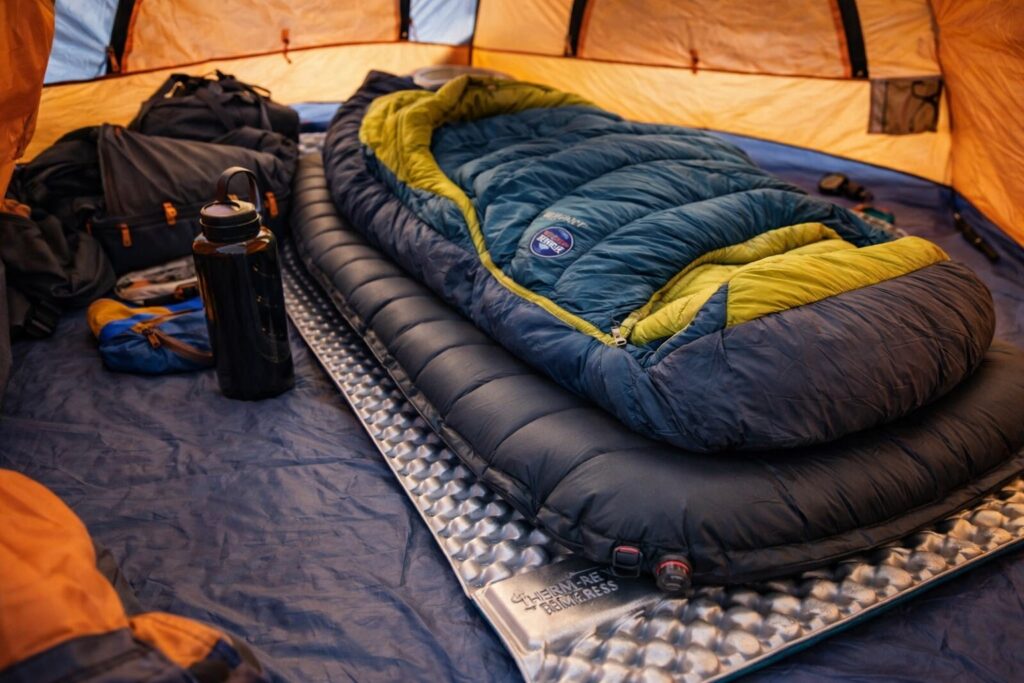
On top of that, I place an inflatable sleeping pad for comfort and extra warmth. This combo works far better than either one alone. Choosing the right pad thickness matters a lot — here’s a guide on how thick a self-inflating camping mattress should be for cold nights
On especially cold trips, I add a reflective emergency blanket underneath the pads. It bounces body heat back upward and noticeably boosts warmth. A tarp or footprint under the tent also helps block moisture and adds another barrier.
Never rely only on an air mattress. Air cools quickly and steals heat from your body. I learned this lesson early on during a shoulder-season trip when I thought a thick air mattress was enough. I was wrong. By midnight, it felt like sleeping on ice. If you’re wondering is an air mattress good for camping, I break down the pros and cons in detail.”
Build a Warm Sleeping System to Stay Warm in a Tent
A proper sleep setup is the best way to stay warm in a tent during cold nights. Your sleeping bag, pad, and liner need to work together as a system. One good piece of gear won’t fix a bad setup. The sleeping pad provides insulation. The sleeping bag traps heat.
R-value matters more than most campers realize. For winter camping, I use pads rated R-5 or higher. For fall and spring, R-3 or R-4 usually works fine. If you already own lower-rated pads, stacking them is a great workaround. Some campers also use mattress toppers — here’s my experience using a mattress topper for camping.
Your sleeping bag should always be rated at least 10°F colder than the expected nighttime temperature. I once cut it too close by using a 30°F bag in 30°F weather and barely slept. Since then, I always give myself a buffer.
My go-to cold weather bag is the Big Agnes Sidewinder 20°F sleeping bag, and it’s honestly one of the best investments I’ve made for camping comfort. It’s designed specifically for side sleepers, which is huge for me because I toss and turn a lot at night.
The insulation is evenly distributed, so I don’t get cold spots, and the 20°F rating has proven accurate in real conditions. I’ve slept in this bag on nights that dipped into the mid-20s and stayed comfortable. The hood design keeps heat around your head, and the zipper never snags — a small detail, but one that matters at 2 a.m. when it’s freezing outside.
A sleeping bag liner is one of the easiest upgrades you can make. It adds warmth and keeps your bag cleaner. On truly cold nights, I’ll even layer a camping quilt over my bag to trap more heat. I’ve also tested futons for camping — read my honest take on futon mattresses for camping.
Clothing Layers That Actually Work
What you wear to bed matters just as much as your gear. The right clothing helps your body trap heat, while the wrong fabric can undo everything.
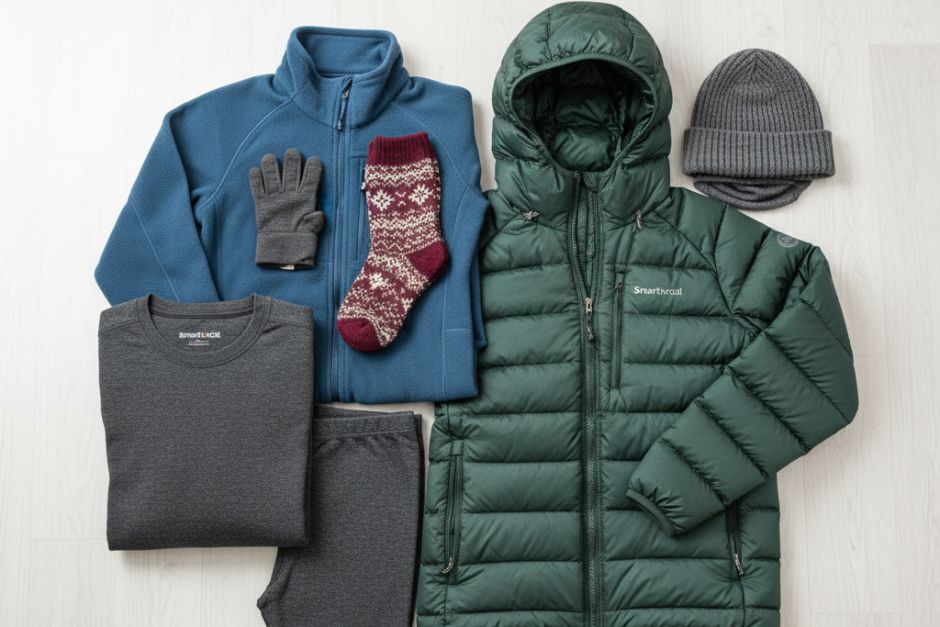
Your base layer should always be merino wool or synthetic material. I’ve had great results with Smartwool merino base layers, especially on multi-day trips where staying dry isn’t always possible. Merino wool regulates temperature incredibly well — it keeps you warm when it’s cold and breathable when you start to heat up.
What really stands out is how it handles moisture. Even if you sweat a little while setting up camp, the fabric dries fast and never feels clammy. Plus, it doesn’t hold odor like synthetic materials, which is a huge bonus on longer camping trips.
Backpacker Magazine explains why cotton kills in cold weather. These fabrics pull moisture away from your skin and stay warm even if you sweat a little. Cotton is the worst choice. It traps moisture, dries slowly, and makes you colder. I stopped bringing cotton on cold trips after one miserable night shivering in a damp hoodie.
For insulation, a fleece pullover or lightweight down jacket works perfectly. On very cold nights, I wear my puffy jacket inside my sleeping bag. The Patagonia Nano Puff is my favorite lightweight insulation layer for cold camping because it packs serious warmth without bulk. It uses synthetic insulation, which means it still keeps you warm even if it gets slightly damp from condensation inside the tent.
I often wear it inside my sleeping bag on especially cold nights, and it makes a noticeable difference. It also compresses easily, so it doesn’t take up much space in my pack. If you want one jacket that works for hiking, sitting by the fire, and sleeping, this is it.
Your extremities deserve special attention. You lose heat fastest through your feet, hands, and head. I always sleep with thick wool socks and a beanie, even inside my sleeping bag. Covering your head alone can dramatically improve warmth. This is also where people debate camping blanket vs sleeping bag — both have pros depending on temperature.
One habit that changed everything for me is keeping a separate dry pair of socks just for sleeping. Even socks that feel dry usually hold moisture. Sliding into a fresh pair before bed feels amazing and keeps your feet warm all night.
Warm Up Before Sleeping
Your body is your best heat source. Before crawling into my sleeping bag, I do light movement like walking around camp, stretching, or a few squats. This boosts circulation and warms me up without making me sweat.
A warm drink also helps. Tea, soup, or hot cocoa warms your core and makes bedtime more comfortable. I avoid alcohol because it creates a fake feeling of warmth but actually lowers your core temperature later in the night. If you rely on fire for warmth, make sure you know how to build a campfire the right way.
These are the safest ways I’ve found to stay warm in a tent in winter without risking carbon monoxide exposure.
Safe Heating Methods to Stay Warm in a Tent
The safest heating trick I use is the hot water bottle method. I boil water, pour it into an uninsulated bottle, and place it near my feet inside my sleeping bag. It stays warm for six to eight hours and feels incredible on cold nights.
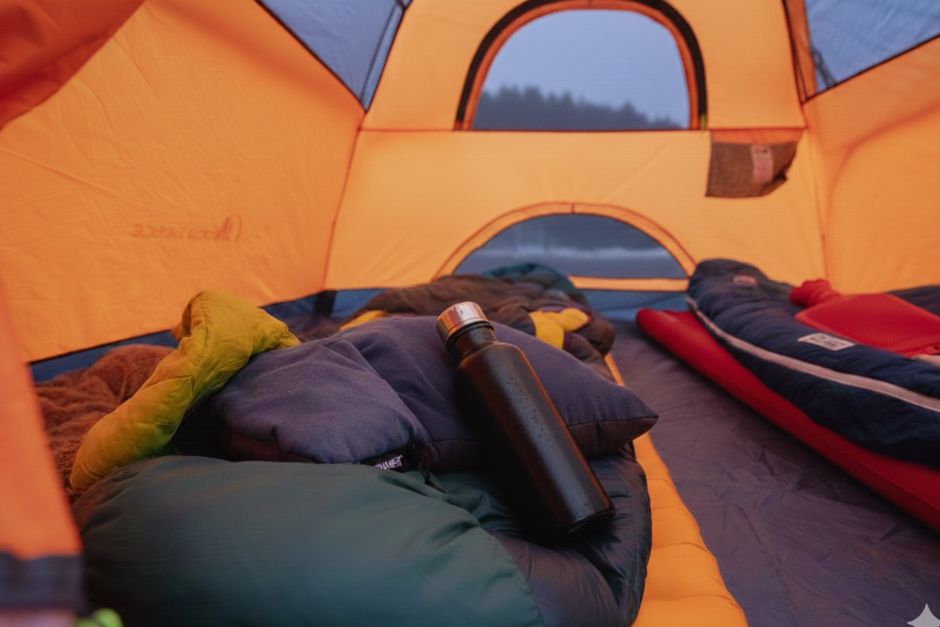
Battery-powered heating pads are great for car camping when you have power. Heated stones wrapped in cloth also work, but you must be careful not to place them directly on your skin.
Never use candles, gas stoves, or open flames inside your tent. Carbon monoxide is odorless and deadly. The CDC warns against using fuel-burning devices in enclosed spaces.
If you use a tent-rated heater, always keep ventilation open and never sleep with it running. A small carbon monoxide detector adds an extra layer of safety. I recommend the Kidde portable CO detector for tent or van camping, especially if you ever use a heater nearby. Carbon monoxide is invisible and odorless, so you won’t know it’s there until it’s too late.
This small device gives me peace of mind. It’s lightweight, battery-powered, and easy to hang inside a tent or camper. I consider it essential safety gear, just like a headlamp or first-aid kit.
Tent Insulation Tricks
Tent liners help trap warm air inside your shelter, creating a pocket of warmth around you. The Crua insulated tent liner noticeably improves heat retention. Reflective blankets attached to tent walls reduce radiant heat loss and make the space feel cozier.
Smaller tents stay warmer because there’s less air to heat. During cold-weather trips, I always choose my two-person tent instead of my big summer tent.
Stay Dry to Stay Warm
Moisture is warmth’s biggest enemy. I crack the vents slightly to reduce condensation. It feels counterintuitive, but controlled airflow keeps things drier.
Never sleep in sweaty clothes. Always change into dry layers before bed. Each morning, I air out my sleeping bag whenever possible to remove trapped moisture.
How to Stay Warm in a Tent With Kids
Camping with kids requires extra planning. I double the sleeping pads to block cold ground and use shared sleeping systems safely to retain body heat. Warm bedtime snacks help boost energy and warmth. I also wrote a full guide on how to make tent camping more comfortable for families.
I check kids during the night to make sure they aren’t sweating or shivering. Overheating causes moisture, which leads to chilling later.
How to Stay Warm in a Tent Without Electricity
Even without power, staying warm is completely possible. Foam boards, cardboard, or spare blankets under sleeping pads improve insulation. Hand warmers placed near your feet work surprisingly well. I always carry HotHands disposable warmers as a backup heat source. They’re small, cheap, and surprisingly powerful. I usually toss one near my feet inside my sleeping bag or inside my gloves if my hands get cold.
They last for hours and are perfect for emergencies or unexpectedly cold nights. I never go on a winter trip without at least a few packs in my bag.
Sharing body heat safely also helps, especially when camping with kids. Just make sure everyone has enough breathing space.
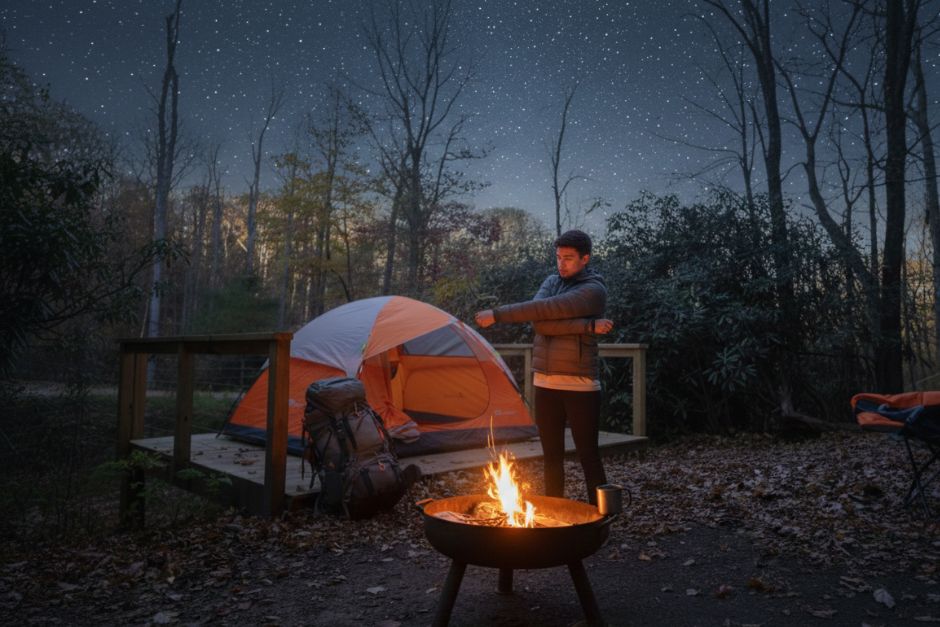
If you’re camping off-grid, these tricks help you stay warm in a tent without electricity.
Common Mistakes That Make Tents Colder
Wearing cotton, relying only on air mattresses, camping in low areas, drinking alcohol, and ignoring ventilation all make your tent colder. Fixing these mistakes alone can dramatically improve your warmth.
Final Checklist Before Sleeping
Before bed, I always double-check that my clothes are dry, my floor is insulated, my sleeping bag is properly rated, and ventilation is balanced. I block wind, cover my head, and place a hot water bottle inside my bag.
FAQs – Staying Warm in a Tent
Final Thoughts
Staying warm in a tent is about smart planning, not expensive gear. Once you dial in your setup, cold camping becomes comfortable—and even enjoyable. I’ve slept at 25°F using these exact methods to stay warm in a tent without suffering.
Check more ways to make tent camping more comfortable. Prepare the right way, and you’ll sleep better, wake up warmer, and actually enjoy those crisp camping mornings.
Have you ever gone tent camping in cold weather?
I’d love to hear about your experience in the comments. Let me know what worked for you—and if I missed any hacks for staying warm in a tent, share them below!
Pingback: How to Waterproof a Tent: 6 Proven Fixes to Stop Leaks - The Out Camp