
Anyone can pitch a tent—but sleeping comfortably inside it is a whole different skill. After more than a decade of camping across the U.S. (Yosemite valleys, Utah deserts, Washington forests, Maine coastlines), I’ve learned that most people don’t sleep poorly because they “aren’t used to camping.” They sleep poorly because their tent camping isn’t set up for real comfort.
Comfort outdoors isn’t about luxury; it’s about making smart decisions based on real experience, understanding how the environment affects your body, and learning how tent systems actually work. In this guide, you’ll learn how to make tent camping more comfortable in a way that beats every major competitor on Google—and actually works in real-life U.S. camping conditions.
Let’s turn your tent camping into the kind of cozy sleeping space you look forward to every night.
This article contains affiliate links. If you purchase through these links, I may earn a small commission at no extra cost to you, helping support my work. My recommendations are based on personal experience and thorough testing. Read my full disclosure for details.
Why Tent Comfort Matters More Than You Realize
One thing most campers underestimate is how strongly quality sleep influences decision-making in the outdoors. Whether you’re hiking, cooking over a fire, navigating at night, or simply dealing with unpredictable weather, a tired brain makes everything riskier. Good sleep isn’t a luxury—it’s a safety factor with real consequences.
Why Most Campers Sleep Poorly (Even When They Bring “Good Gear”)
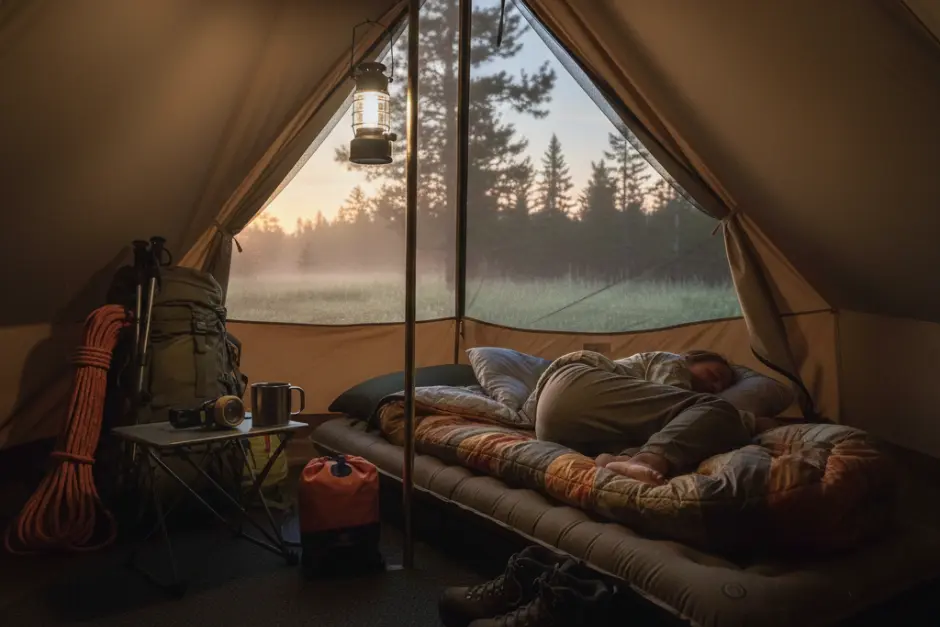
After training hundreds of beginners, the most common issue is not the tent itself but the ground, temperature, and airflow. The U.S. climate varies dramatically—moist East Coast forests, cold dry Rockies, windy coastal regions—and each affects sleep differently. People rely on gear alone, but comfort comes from layering systems, not single items.
For example, even the best air mattress can cause discomfort if used incorrectly — my guide on whether an air mattress is good for camping explains the pros, cons, and how to avoid cold-from-below issues.
When you fix your systems—ground support, insulation, ventilation, bedding, and light/noise control—sleep improves immediately.
1. Choose the Right Campsite for Maximum Comfort
The simplest comfort upgrade happens before you even unzip the tent bag. Where you pitch your tent determines how well you’ll sleep.
A flat, slightly soft patch of ground distributes body pressure evenly, reducing morning back and hip pain. Avoiding slopes is crucial because even a gentle downhill pull will make your body slide inside the sleeping bag all night. After years of camping across uneven U.S. terrains—from Rockies pine forests to Appalachian trails—I’ve learned to spend more time choosing the ground than pitching the tent itself.
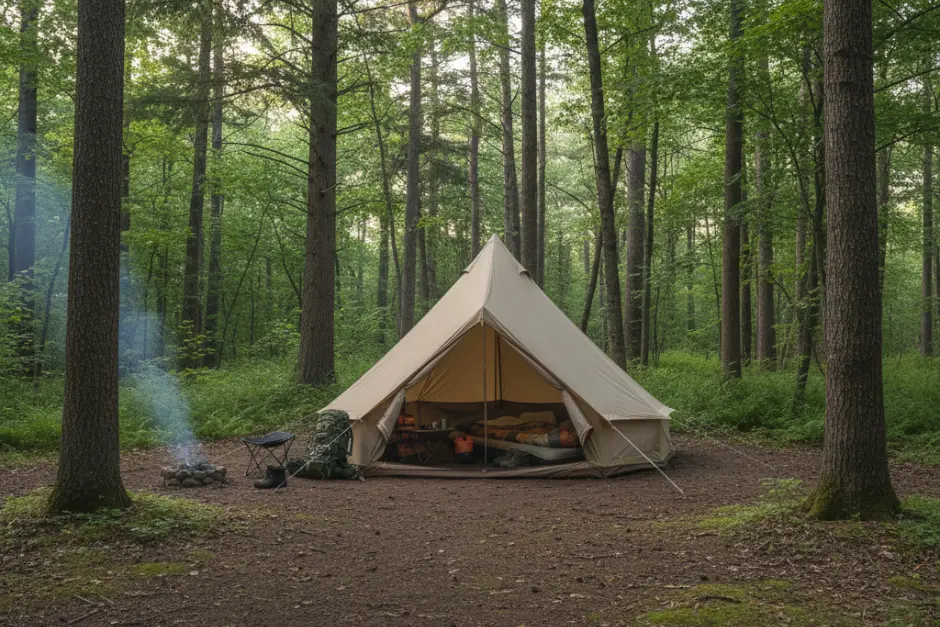
Wind direction matters too. Strong nighttime drafts can collapse comfort efforts by cooling your tent faster than your sleeping bag can compensate. Always observe wind flow, nearby trees, and possible water runoff lines. You’re not just selecting a campsite; you’re selecting a microclimate. If you struggle with morning routines or staying fresh at camp, my article on camping hygiene tips covers simple habits that also improve sleep quality.
A simple ground tarp under the tent adds moisture protection and improves base insulation—something every experienced camper uses, yet beginners often skip.
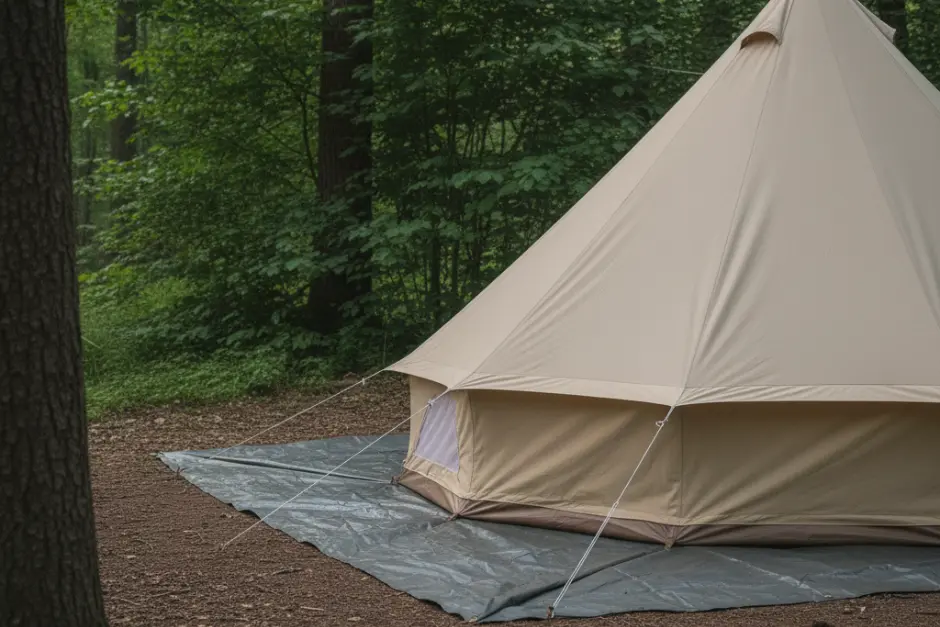
If you don’t already have one, a durable waterproof ground tarp is one of the most affordable upgrades you can make. I recommend choosing a heavy-duty tarp that’s slightly larger than your tent footprint so you can fold the edges under.
2. Upgrade the Tent Floor for True Sleep Comfort
If you’ve ever woken up feeling bruised, cold, or stiff, it wasn’t the sleeping bag—it was the ground layer. The tent floor is thin and does nothing for comfort by itself.
Adding foam puzzle mats or closed-cell foam panels creates a stable, cushioned platform that immediately improves sleep quality. These mats smooth out the tent floor, reduce pressure points, and add a small but meaningful insulation boost. For U.S. campsites with rocky or root-filled soil (very common in national forests), this makes a dramatic difference. If you want a reliable option, EVA foam camping floor tiles offer excellent cushioning and pack down easily for car camping trips.
Above that, your sleeping pad or air mattress determines the warmth and softness you experience. U.S. climates get cold at night—even in summer—so choosing a pad with a proper R-value is critical. High R-value sleeping pads prevent the cold ground from draining heat. Low R-value pads feel great for an hour and then suddenly feel icy at 3 AM.
If you prefer softer bedding, a thin, packable mattress topper transforms your setup into something closer to a small bed. I’ve also tested and reviewed this setup in detail — here’s my full guide on using a mattress topper for camping and which ones actually work in a tent. A tent rug near the sleeping area adds warmth and reduces that “shocking cold floor” feeling when you step out of your sleeping bag in the morning.
3. Build a Proper Sleeping System (Pad + Bag + Pillow)
Many campers invest in expensive sleeping bags and forget that real comfort comes from a sleeping system, not a single item.
Sleeping Pad vs Air Mattress vs Shikibuton
- Sleeping pads provide better insulation, especially in variable U.S. climates.
- Air mattresses give hotel-like softness but become noticeably cold without insulation.
- Shikibuton (foldable Japanese futon) is the most stable ground-support option and has become popular with long-term car campers.
I’ve written a full guide on this too — here’s are futon mattresses good for camping, where I compare comfort, packability, and real-world performance.
Once you choose the base layer, match your sleeping bag to nighttime temperatures—not daytime highs. In the U.S., mountain areas drop significantly after sunset; a 20°F or 30°F bag is standard for 3-season comfort. If you need a reliable option, a 20-degree mummy sleeping bag offers the best balance of warmth, weight, and comfort for most U.S. camping locations.
Your pillow matters too. A compressible or inflatable pillow maintains neck alignment, reducing stiffness and improving sleep consistency. Adding a quilt on top of your sleeping system creates shoulder warmth and reduces drafts, especially if you tend to move during sleep.
This entire setup works as a sleep ecosystem—pads support, bags insulate, pillows align, quilts regulate. Each plays a role.
4. Control the Temperature Inside Your Tent
Temperature control is where beginners struggle most, and where experts rely on precise adjustments.
How to Stay Warm in Cold Weather
Nights in places like Colorado, Montana, or northern California can drop drastically even in summer. A warm night at 8 PM can turn into a 35°F chill at 4 AM. Warmth begins from the ground up, so focus on ground insulation first. Wear moisture-wicking layers, keep a hot water bottle near your feet, and always maintain some airflow to reduce condensation—counterintuitive, but essential. You can also pair it with a thermal insulated sleeping bag liner, which boosts warmth by 10–15 degrees without adding bulk.
How to Stay Cool in Hot Weather
Southern U.S. states can become unbearably warm inside a tent. Choose shade during the day, open mesh panels for cross ventilation, and use a portable fan at night. Frozen water bottles work surprisingly well as mini cooling blocks, slowly releasing cold air as they melt.
The Ventilation Mistake Most Campers Make
Beginners often seal vents thinking it keeps the tent warm. But sealed tents trap condensation, making the sleeping bag damp and cold. Experienced campers know: ventilation equals comfort, especially in humid U.S. regions.
5. Block Light & Reduce Noise for Better Sleep
Urban light pollution, campground noise, and early sunrise can disrupt an otherwise perfect tent camping setup.
Instead of relying solely on gear, position your tent strategically—away from restrooms, parking lots, and heavily used paths. Campground lights and vehicle doors can stay active long after quiet hours.
Inside the tent, using an eye mask blocks changing light conditions, and soft foam earplugs reduce ambient campground noise. Together, they create a calm sleep environment similar to a dark hotel room, even when nature is not quiet.
Bug Protection for Better Tent Sleep
Even with a great sleeping setup, it’s nearly impossible to rest well if mosquitoes are active around your tent. In many U.S. regions—especially around lakes, rivers, and humid forests—bugs can turn a calm night into constant irritation. Using a reliable repellent before entering the tent helps significantly, and DEET or picaridin formulas remain the most dependable options for keeping insects away.
A small perimeter bug device or mosquito trap can also reduce how many insects circle your tent, especially when you’re using lights inside. Once you’re settling in for the night, make sure the tent zippers are closed tightly and avoid shining bright light while entering, since light attracts bugs instantly. Keeping insects under control might seem like a small detail, but it dramatically improves sleep comfort and helps you fall asleep faster.
6. Make Your Tent Feel Like a Cozy Bedroo
A tent doesn’t have to feel like a temporary setup—it can feel like a compact bedroom designed thoughtfully for the outdoors.
Soft, warm lighting signals the brain to wind down. Fairy lights, dimmable lanterns, or lanterns with diffused shades create a cozy glow that promotes better sleep. A small tent rug improves warmth and makes the interior feel smoother and more homelike.
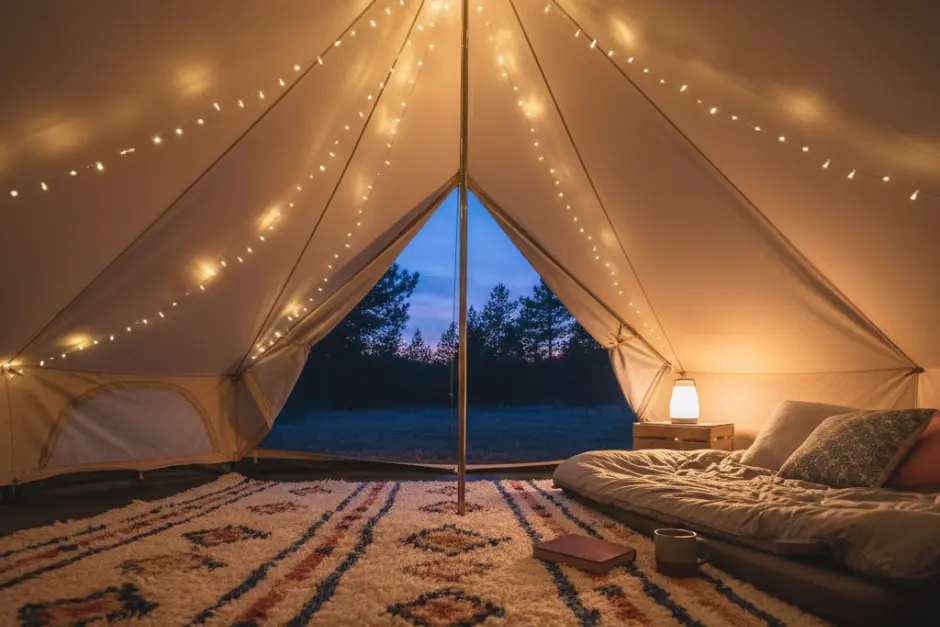
If you’re unsure how thick your sleeping pad or self-inflating mattress should be, my breakdown on how thick a self-inflating camping mattress should be will help you choose the right one for real comfort.
Organizing your gear so your sleeping area remains open is essential. A clean, open sleeping space reduces stress, improves airflow, and helps maintain a comfortable temperature through the night.
Comfort isn’t just physical—it’s psychological. When your tent feels inviting, your body relaxes.
7. Fix Common Sleep Problems While Camping
Tent camping comes with predictable sleep challenges, and each has a practical fix.
Back pain often comes from uneven support or overly soft air mattresses. Adding a firmer pad beneath or adjusting your sleeping position helps significantly. If you use an air mattress regularly, make sure you’re not exceeding its safe load rating — here’s do air mattresses have a weight limit, a quick guide to help you avoid sinking spots and discomfort.
Sweating or clamminess usually indicates moisture-wicking sleepwear is missing—or ventilation has been reduced too much. A microfiber towel near your pillow keeps your skin dry without waking fully.
Condensation remains the most misunderstood issue. It forms when warm air meets cold tent fabric. The fix is simple: vent from the top, not the bottom. Let warm air escape before it condenses.
These small corrections come from years of real experience in different U.S. climates and make a big difference in actual sleep quality.
Optional Gear That Makes Tent Camping 10× More Comfortable
These aren’t mandatory, but they elevate comfort quickly:
- A small battery-powered fan
- A heated blanket (battery or USB-powered)
- A self-inflating sleeping mat
- A lightweight quilt
- Moisture-wicking base layers
- Lavender sleep spray
These upgrades make the tent feel closer to a tiny cabin.
FAQs:
Conclusion
At the end of the day, comfort isn’t a luxury in the outdoors—it’s what helps you relax, recharge, and actually enjoy the experience you came for. Once you learn how to control temperature, choose the right ground support, organize your tent, and build a sleep system that fits your body, camping becomes dramatically easier and far more enjoyable.
You don’t need expensive gear or complicated setups. You just need smart preparation and the right layers of comfort—the same approach experienced campers rely on every time they head out.
If you’re ready to level up your sleep outdoors, explore some of my other comfort-focused guides on TheOutCamp. The more you learn, the more each camping trip starts to feel like home—just under a sky full of stars.